Customizing Blog Settings and Live Preview

Tailor your blog's appearance with a variety of settings, including layout adjustments, font choices, and visual customizations. Instantly preview your changes to see how they'll look before going live.

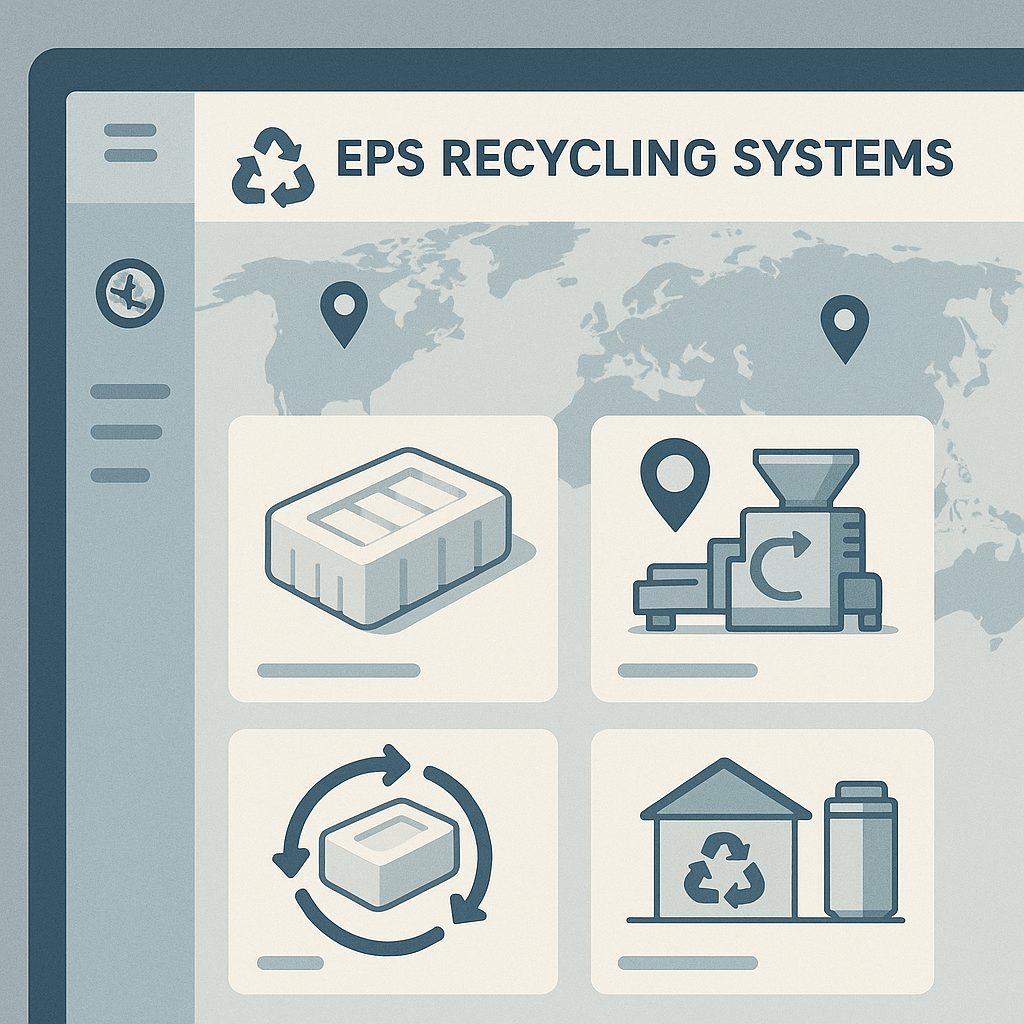
NEPSA Launches Global Case Library to Showcase Real-World EPS Recycling Systems

The Nordic Expanded Polystyrene Alliance (NEPSA) has launched an open-access library of editorially verified case studies documenting how expanded polystyrene (EPS) is being recycled and reused in practice. The initiative is designed not only to provide transparency—but to inspire replication, collaboration, and system improvement. With over 50 cases at launch—and more added on a rolling

NEPSA to Speak at Foam Expo Europe 2025

NEPSA will participate in this year’s Foam Expo Europe, held in Stuttgart from 11–13 November 2025, where Director Chresten Heide-Anderson is featured as one of the first confirmed speakers in the conference programme. The three-day conference gathers leaders across the foam supply chain, with key themes ranging from circular design and smart foams to the

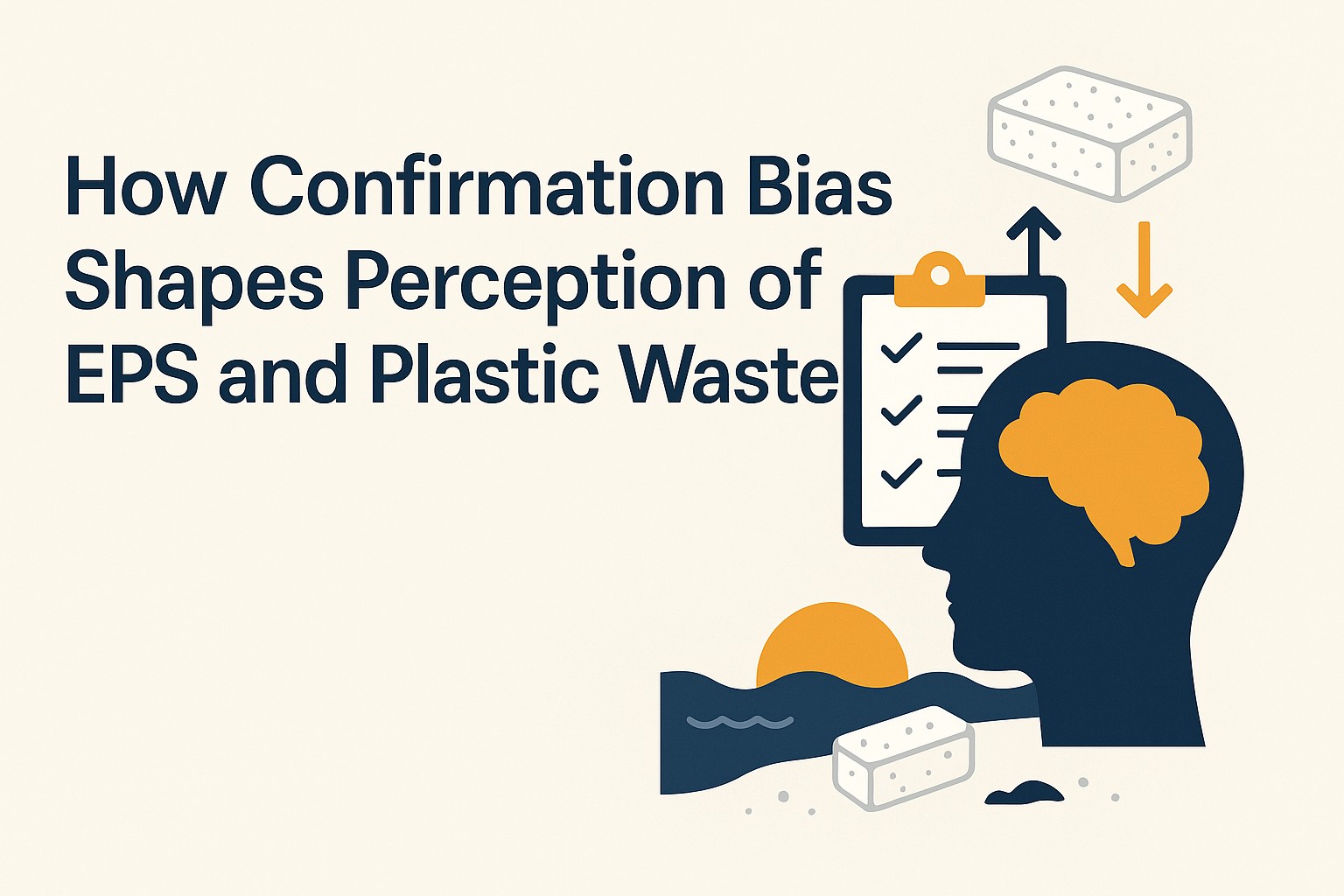
When Perception Outpaces Proof — A Reflection on Confirmation Bias and Plastic Waste

Public discourse around plastic waste is often driven more by perception than by fact. In a recent LinkedIn Insight, NEPSA Director Chresten Heide-Anderson explores how confirmation bias — the human tendency to seek out and remember information that aligns with our preconceptions — shapes environmental narratives and policy debates. The article dissects a case in

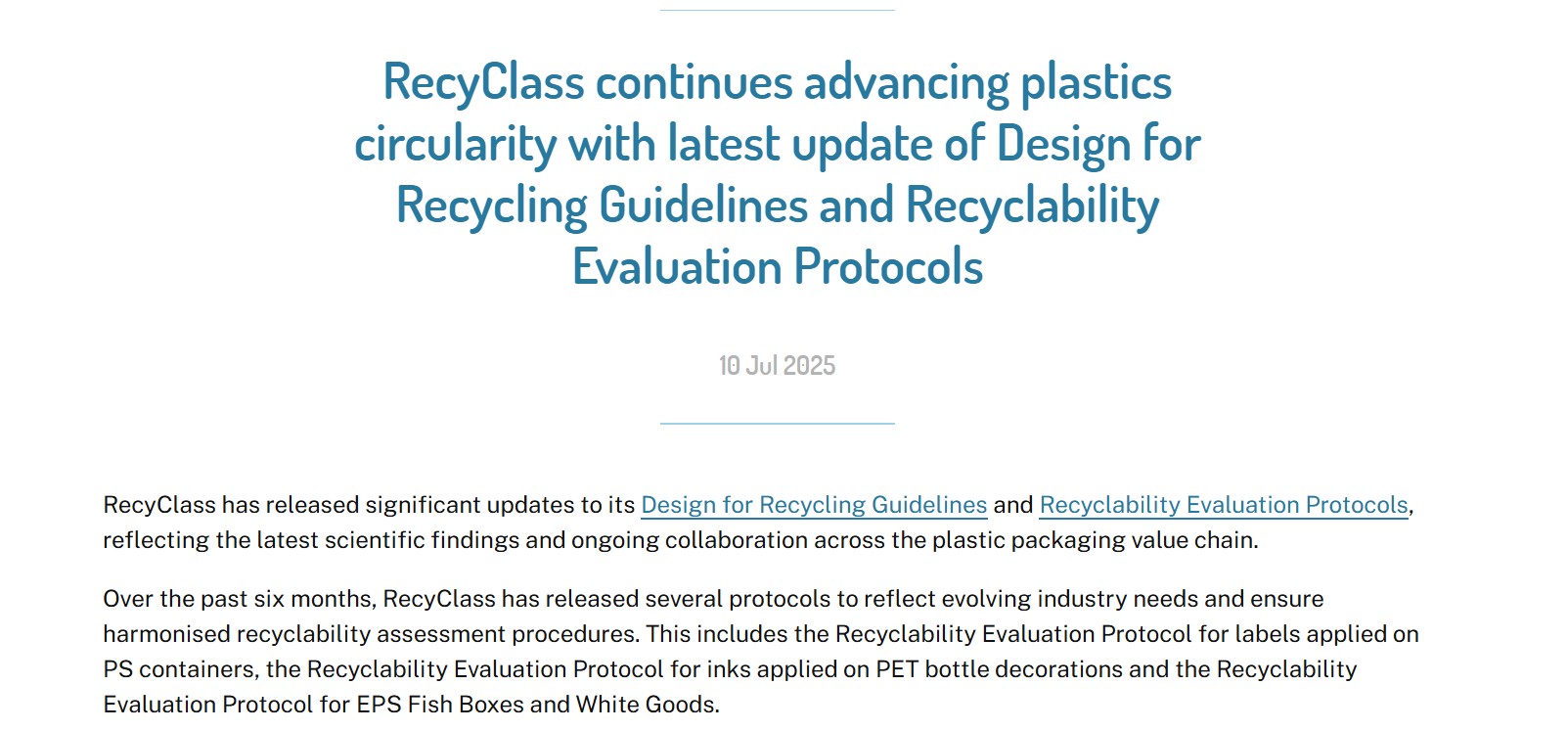
RecyClass Updates Design-for-Recycling Guidelines to Include EPS Packaging

RecyClass, a cross-industry initiative based in Brussels, has released its latest update to the Design for Recycling Guidelines, this time explicitly including EPS packaging—such as fish boxes and white goods—in both the guidelines and the associated Recyclability Evaluation Protocols (RecyClass, petnology.com). These refinements are based on 18 independent testing campaigns conducted in 2024. They examine

Polystyrene recycling increases 56% as NLWA expands RRC services

Polystyrene recycling in North London saw a remarkable 56% increase during 2024–25, rising from 6.87 tonnes to 10.74 tonnes—a shift driven by enhanced infrastructure and public engagement at NLWA’s reuse and recycling centres (RRCs) (nlwa.gov.uk). Over the same period, residents delivered 7,000 more tonnes of reusable and recyclable material—a volume equivalent to nearly 438 double-decker buses—to RRCs,

New Zealand industry maps EPS strategy amid 5,000 t/y packaging demand

New Zealand generates around 5,000 tonnes of EPS packaging annually—yet 77 % currently ends up in landfill or as environmental leakage, due to limited collection systems and low recovery rates (sustainabilitymatters.net.au). Addressing this, Plastics New Zealand has released two strategic reports targeting EPS and construction‑plastics waste through practical infrastructure improvements and sector coordination. Auckland alone sends approximately 25,000

Beyond Fast & Easy Answers – Our Director’s LinkedIn Newsletter

In a world filled with quick opinions, critical thinking is vital. Chresten Heide-Anderson, Project Manager of EPS-branchen and Director of NEPSA, invites you to check out his LinkedIn newsletter, *Beyond Fast & Easy Answers*. This series examines how cognitive biases affect public policy, especially in environmental debates. With over 500 subscribers, the newsletter promotes evidence-based discussions and challenges quick reactions. Learn how narratives can overshadow facts and explore smarter regulatory approaches. Join the conversation and reflect on your biases—subscribe today!

Aarhus Collects 69 t of EPS, Saving 350 t CO₂

In early 2025, the Aarhus municipality reported that 69 tonnes of EPS (commonly known as “flamingo”) had been collected from its recycling centres and routed for processing—yielding an estimated 350 tonnes of CO₂ savings compared to incineration. Each kilogram of collected EPS represents a climate benefit: recovering white EPS saves approximately 5 kg CO₂, while coloured variants save