Category: NEPSA Updates

When Definitions Shape Outcomes in Packaging Policy

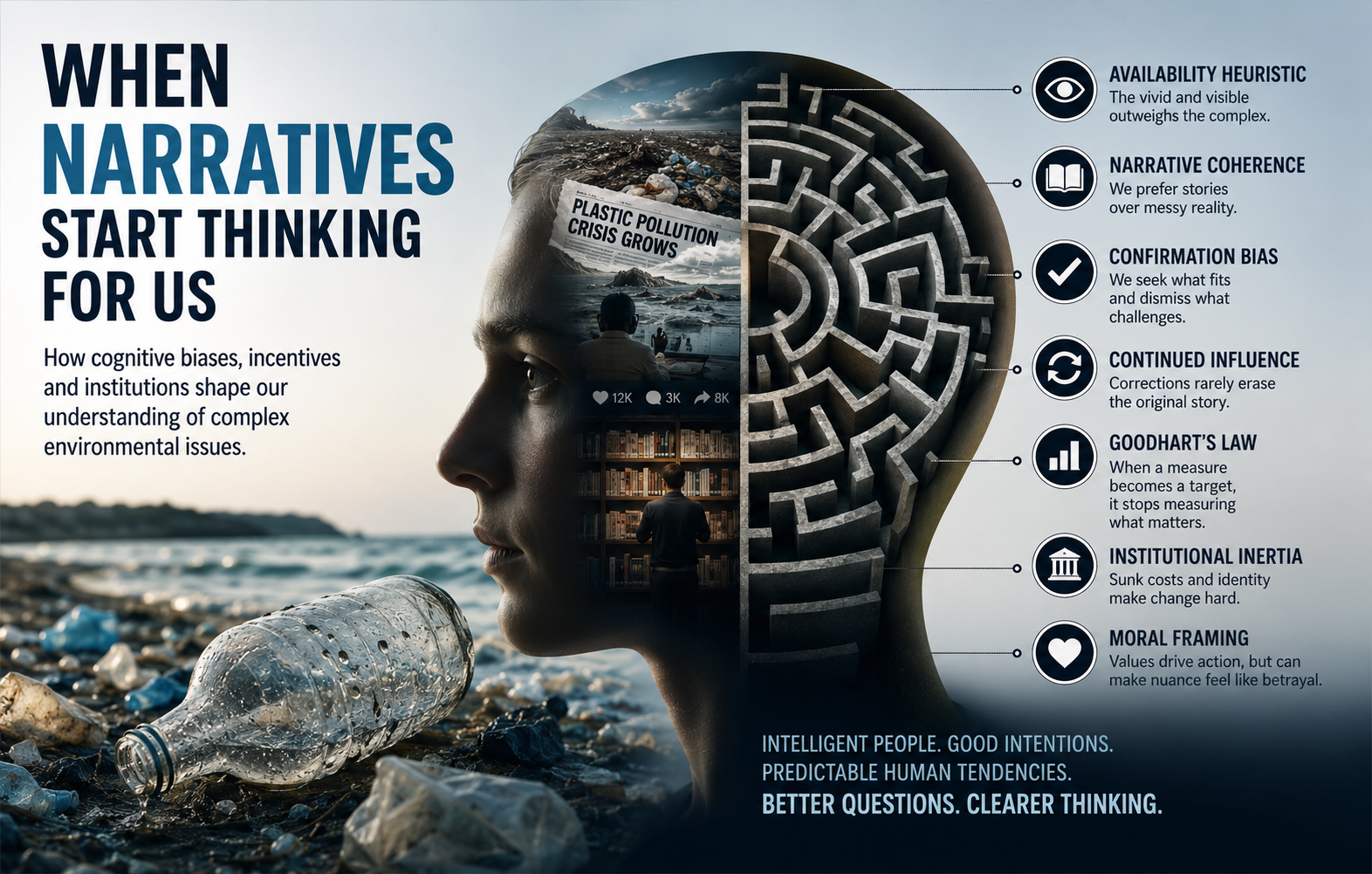
Recent discussions on the proposed Packaging and Packaging Waste Regulation (PPWR) have highlighted both increased clarity and emerging concerns—particularly around definitions and exemptions. A recent article by NEPSA Director Chresten Heide-Anderson uses this debate as a starting point to explore a broader question: How do definitions and measurement frameworks influence environmental outcomes? The article reflects

NEPSA joins the Circular Plastics Alliance (CPA)

The Nordic EPS Alliance (NEPSA) has been accepted as a member of the Circular Plastics Alliance (CPA), the European Commission-led initiative aimed at increasing the uptake of recycled plastics and strengthening circular value chains across Europe. The CPA, facilitated by the European Commission, brings together industry, public authorities and civil society to accelerate the transition

Dissolution-based recycling adds a potential pathway for polystyrene circularity

The range of available recycling pathways is a central factor in determining how effectively materials can be integrated into a circular economy. Recent developments in dissolution-based recycling technologies for polystyrene (PS) suggest that additional options may be emerging—particularly for waste streams that have traditionally been difficult to recycle. One example is the commercial-scale launch of

Designing treaty measures that reduce pollution without increasing climate or resource impacts

NEPSA publishes its position on the Global Plastics Treaty The Nordic EPS Alliance (NEPSA) has released its position on the ongoing negotiations for a Global Plastics Treaty. The objective is clear: support measures that genuinely reduce plastic pollution while ensuring that policies do not unintentionally increase climate or resource impacts across the wider material system.

New HELCOM Guidelines for EPS and XPS: Practical Support for Sustainable Construction and Demolition

The Helsinki Commission (HELCOM) has released new guidelines for the responsible handling of expanded (EPS) and extruded polystyrene (XPS) on construction and demolition sites. The recommendations provide practical, real-world guidance to prevent material losses, reduce environmental emissions, and strengthen circularity across the building sector. What the guidelines offer The document answers key operational questions that

Protective Packaging: Why Performance Matters More Than Material

A new factsheet from NEPSA and EUMEPS highlights the findings of a 2025 lifecycle study by the Netherlands Organisation for Applied Scientific Research (TNO). The study compared four packaging types—EPS, EPP, corrugated cardboard, and moulded pulp—used for transporting televisions and washing machines across Europe. The results show that packaging must be evaluated on its ability

A case study in outsmarting System 1

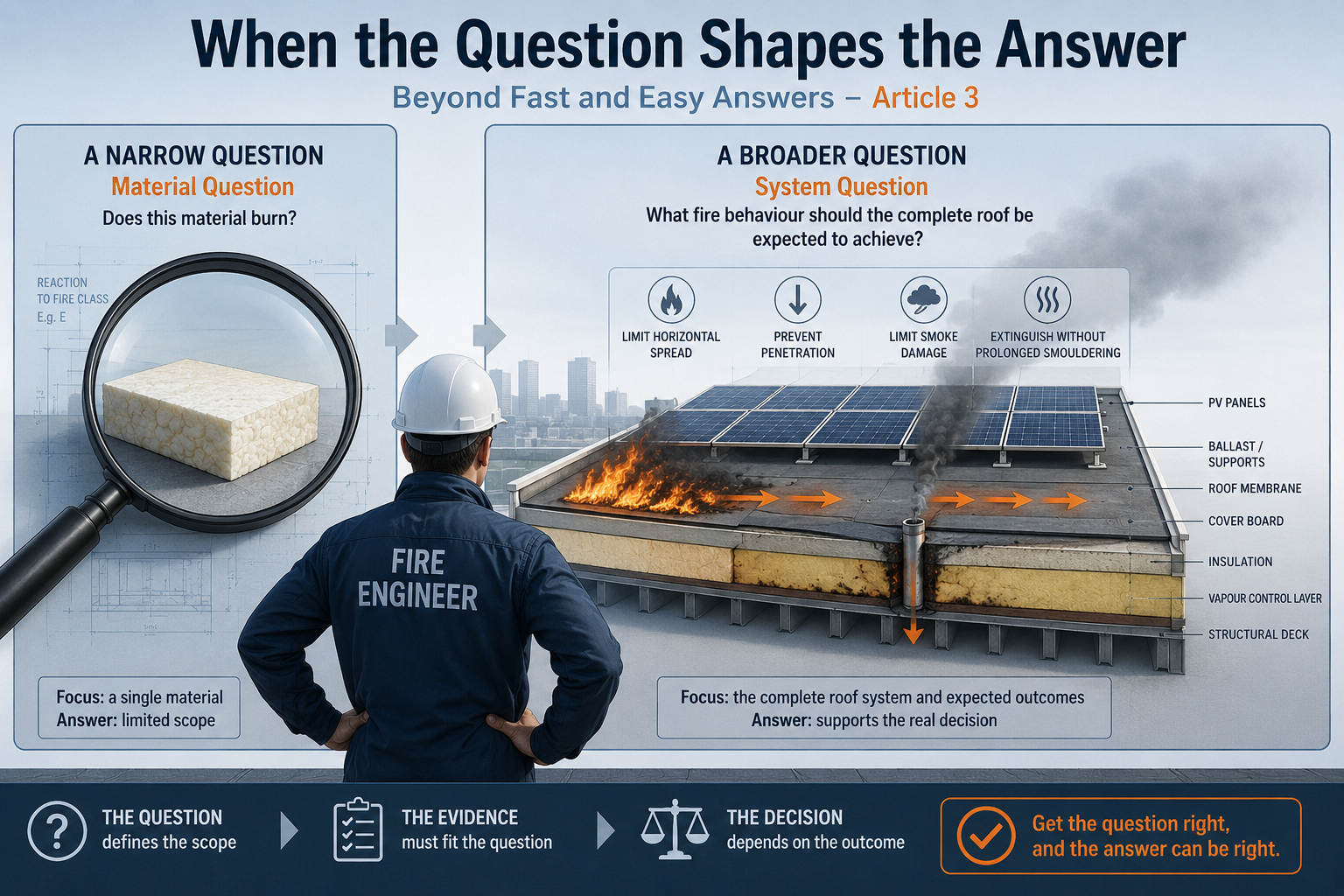
When making decisions, our brains rely on two complementary systems. Psychologists call them System 1 (fast, automatic, intuitive) and System 2 (slow, effortful, analytical). Both are essential. But when important choices are made too quickly, System 1 can lead us to draw misleading conclusions. In a recent issue of his Beyond Fast and Easy Answers