Category: Insights

New Beyond Fast and Easy Answers: When Narratives Start Thinking for Us

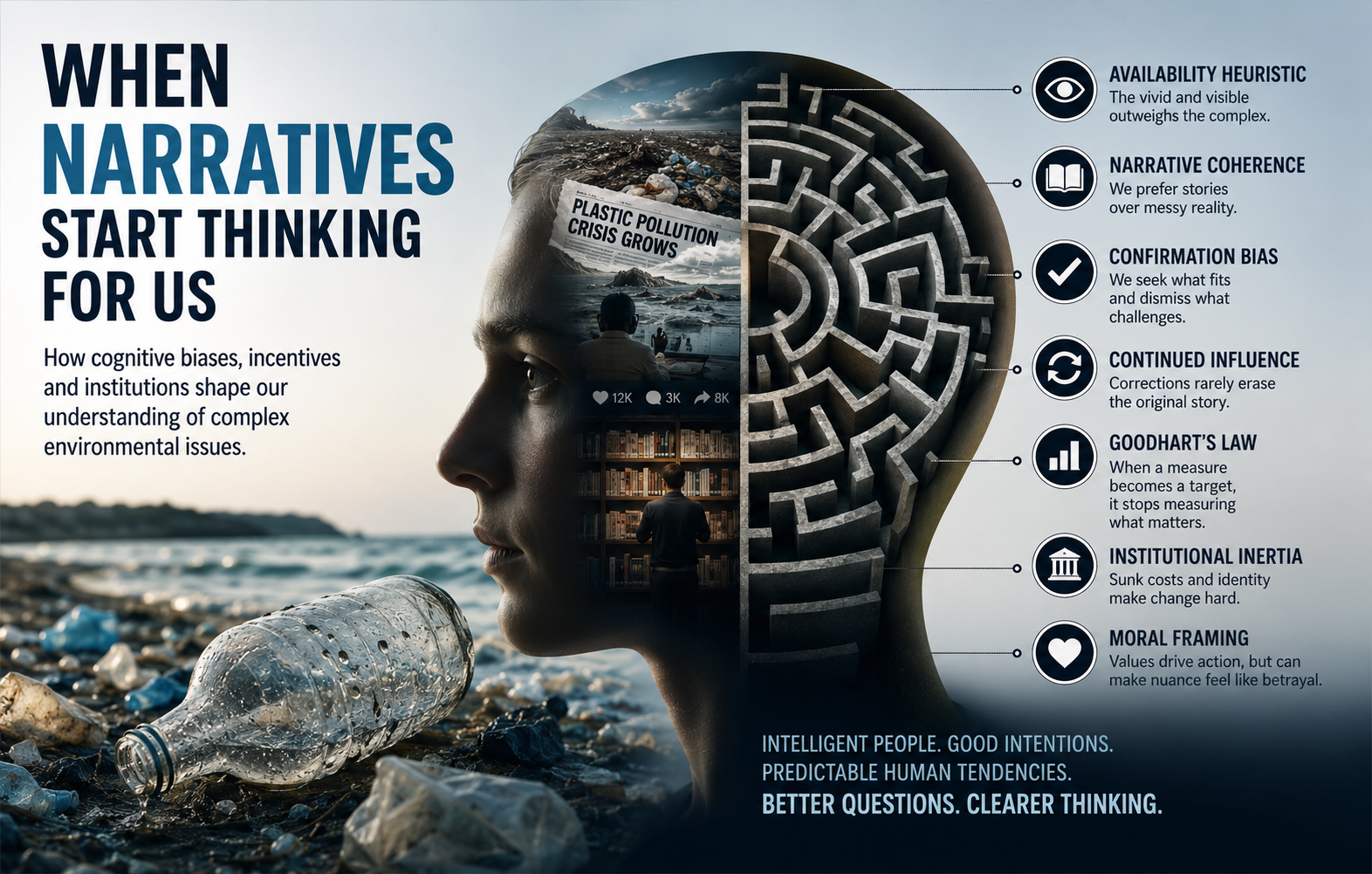
How do scientific findings become public narratives? And why can those narratives become surprisingly difficult to change, even when new evidence emerges? These are the questions explored in the latest edition of Beyond Fast and Easy Answers, written by NEPSA Director Chresten Heide-Anderson. The article builds on the previous newsletter, which examined a bottle-tracking study

When Definitions Shape Outcomes in Packaging Policy

Recent discussions on the proposed Packaging and Packaging Waste Regulation (PPWR) have highlighted both increased clarity and emerging concerns—particularly around definitions and exemptions. A recent article by NEPSA Director Chresten Heide-Anderson uses this debate as a starting point to explore a broader question: How do definitions and measurement frameworks influence environmental outcomes? The article reflects

New HELCOM Guidelines for EPS and XPS: Practical Support for Sustainable Construction and Demolition

The Helsinki Commission (HELCOM) has released new guidelines for the responsible handling of expanded (EPS) and extruded polystyrene (XPS) on construction and demolition sites. The recommendations provide practical, real-world guidance to prevent material losses, reduce environmental emissions, and strengthen circularity across the building sector. What the guidelines offer The document answers key operational questions that

Protective Packaging: Why Performance Matters More Than Material

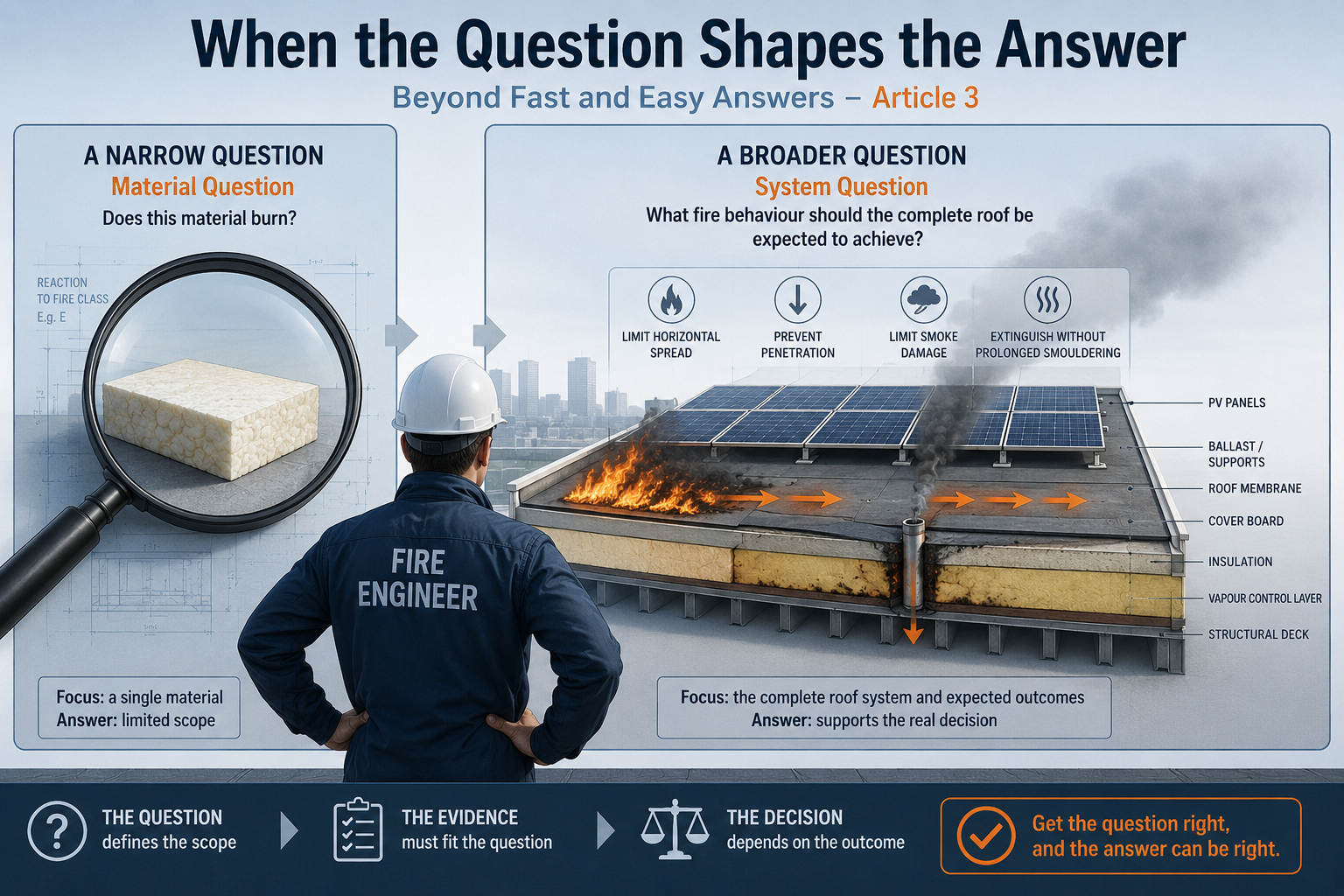
A new factsheet from NEPSA and EUMEPS highlights the findings of a 2025 lifecycle study by the Netherlands Organisation for Applied Scientific Research (TNO). The study compared four packaging types—EPS, EPP, corrugated cardboard, and moulded pulp—used for transporting televisions and washing machines across Europe. The results show that packaging must be evaluated on its ability

A case study in outsmarting System 1

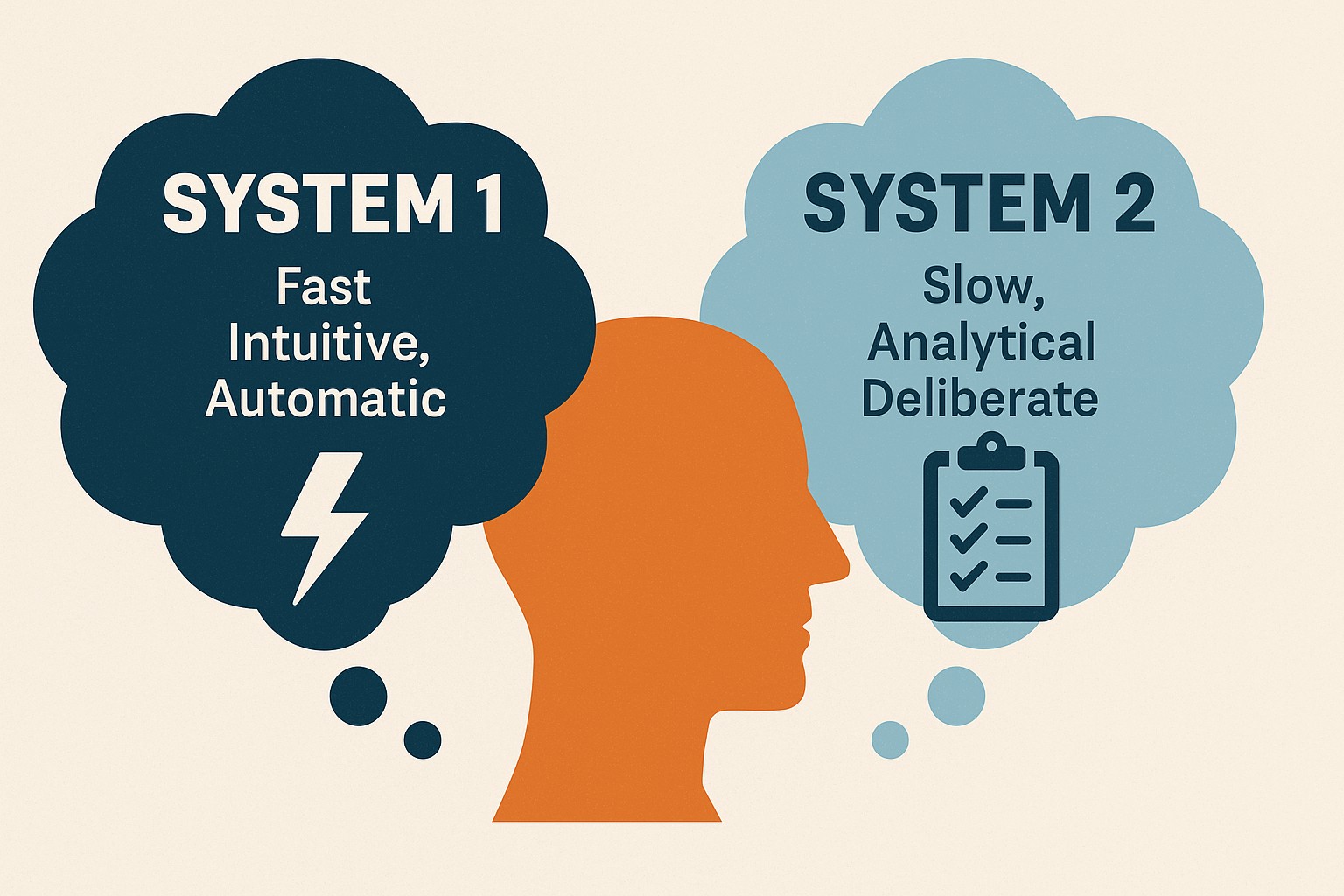
When making decisions, our brains rely on two complementary systems. Psychologists call them System 1 (fast, automatic, intuitive) and System 2 (slow, effortful, analytical). Both are essential. But when important choices are made too quickly, System 1 can lead us to draw misleading conclusions. In a recent issue of his Beyond Fast and Easy Answers

Broken Glass, Broken Logic

As the INC-5.2 plastics treaty talks unfold in Geneva, a striking inconsistency emerges in public reasoning: we assign very different responsibility depending on the material, even when the real-world harm is similar. We trace this shift to our fast emotional thinking (System 1)—which is drawn to dramatic material effects and narrative villains. But such inconsistent

When Sustainable Looks Wrong — But Isn’t

How perception, framing, and bias are reshaping packaging decisions Why are high-performing packaging solutions like EPS being deselected—despite strong life cycle data and proven environmental performance? A new article by NEPSA Director Chresten Heide-Anderson explores this question through the lens of cognitive bias and perception. The article, part of the Beyond Fast and Easy Answers

Why Retractions Don’t Always Retract Belief

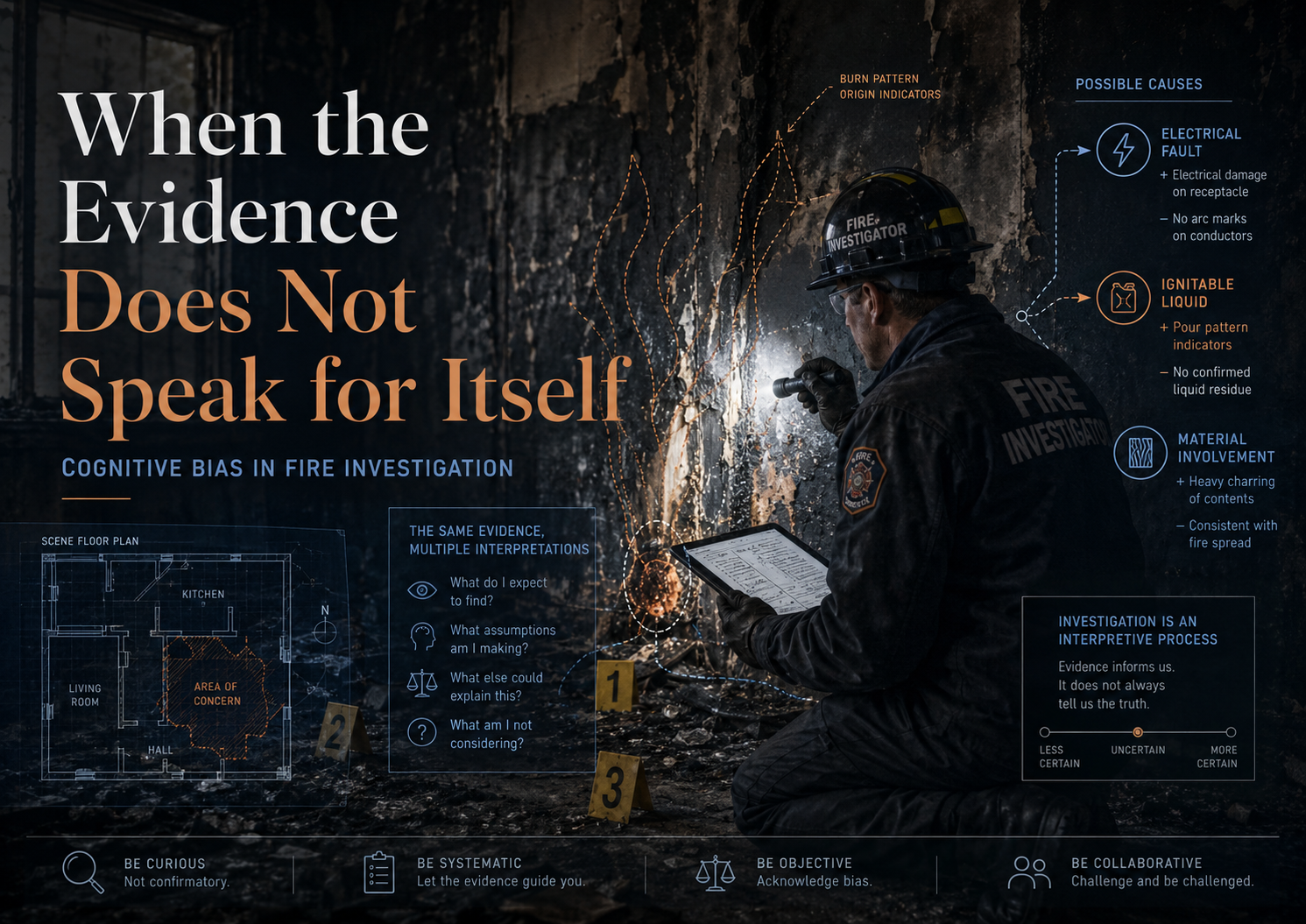
When scientific errors are discovered, formal retractions are issued. But what happens when the beliefs created by the original story continue to shape public perception? In a new article titled “Why Retractions Rarely Retract Belief”, NEPSA Director Chresten Heide-Anderson explores how psychological biases help explain why misinformation often lingers—long after it has been corrected. Using