Customizing Blog Settings and Live Preview

Tailor your blog's appearance with a variety of settings, including layout adjustments, font choices, and visual customizations. Instantly preview your changes to see how they'll look before going live.

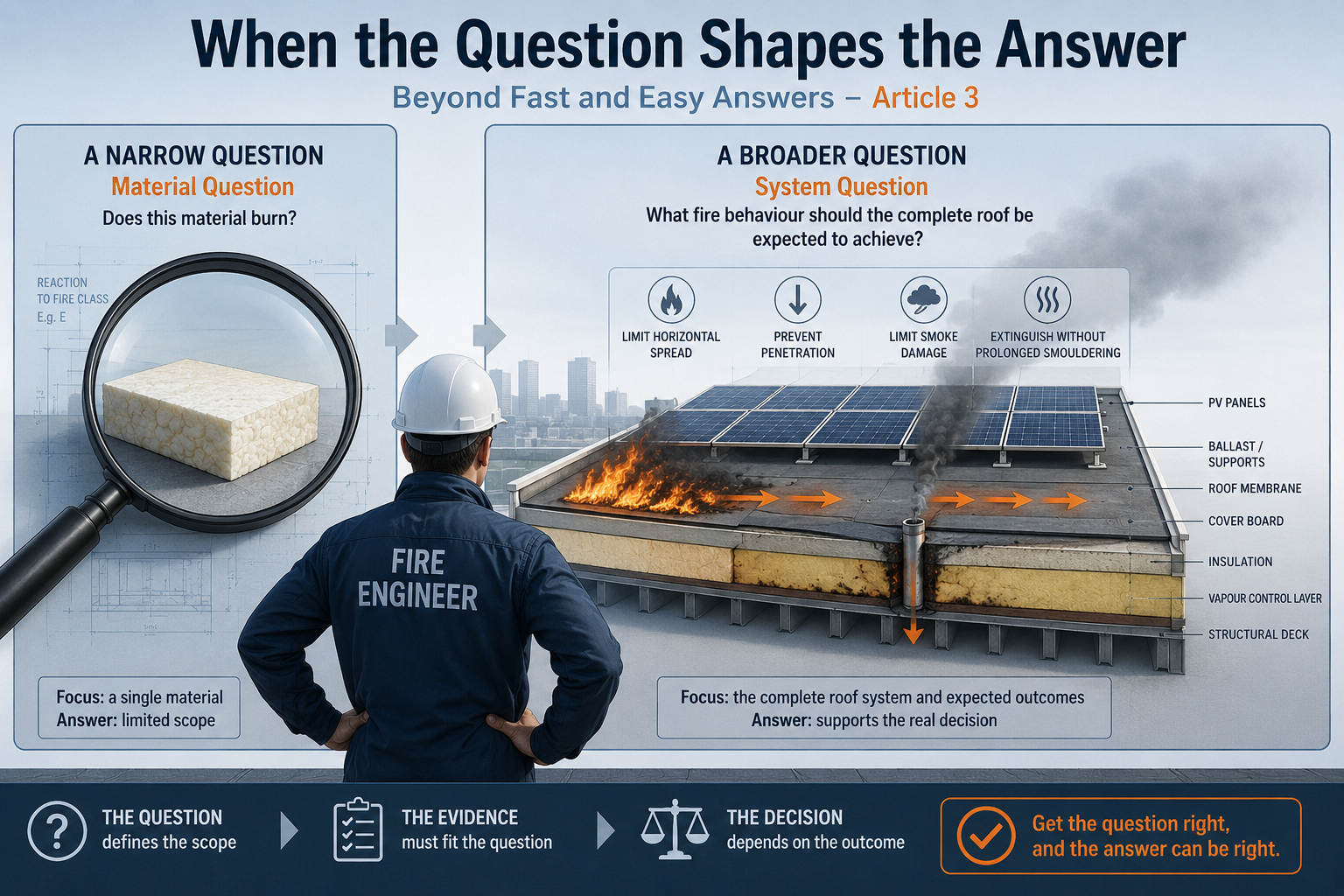
New article in the Beyond Fast and Easy Answers series examines cognitive bias in fire engineering

Fire engineering depends on codes, tests, models, research and professional experience. Each provides essential evidence. None removes the need for judgement. In the third article in his Beyond Fast and Easy Answers series, NEPSA Director Chresten Heide-Anderson examines how the framing of a technical question can influence the answer that follows. The article, When the

U.S. Plastics Pact removes EPS transport packaging from problematic materials list

The U.S. Plastics Pact has removed expanded polystyrene transport packaging from its Problematic & Unnecessary Materials List after reviewing evidence of recycling at scale. It is the first packaging format to be removed from the list since its establishment. The decision applies specifically to moulded EPS transport packaging used to protect durable goods, temperature-sensitive products

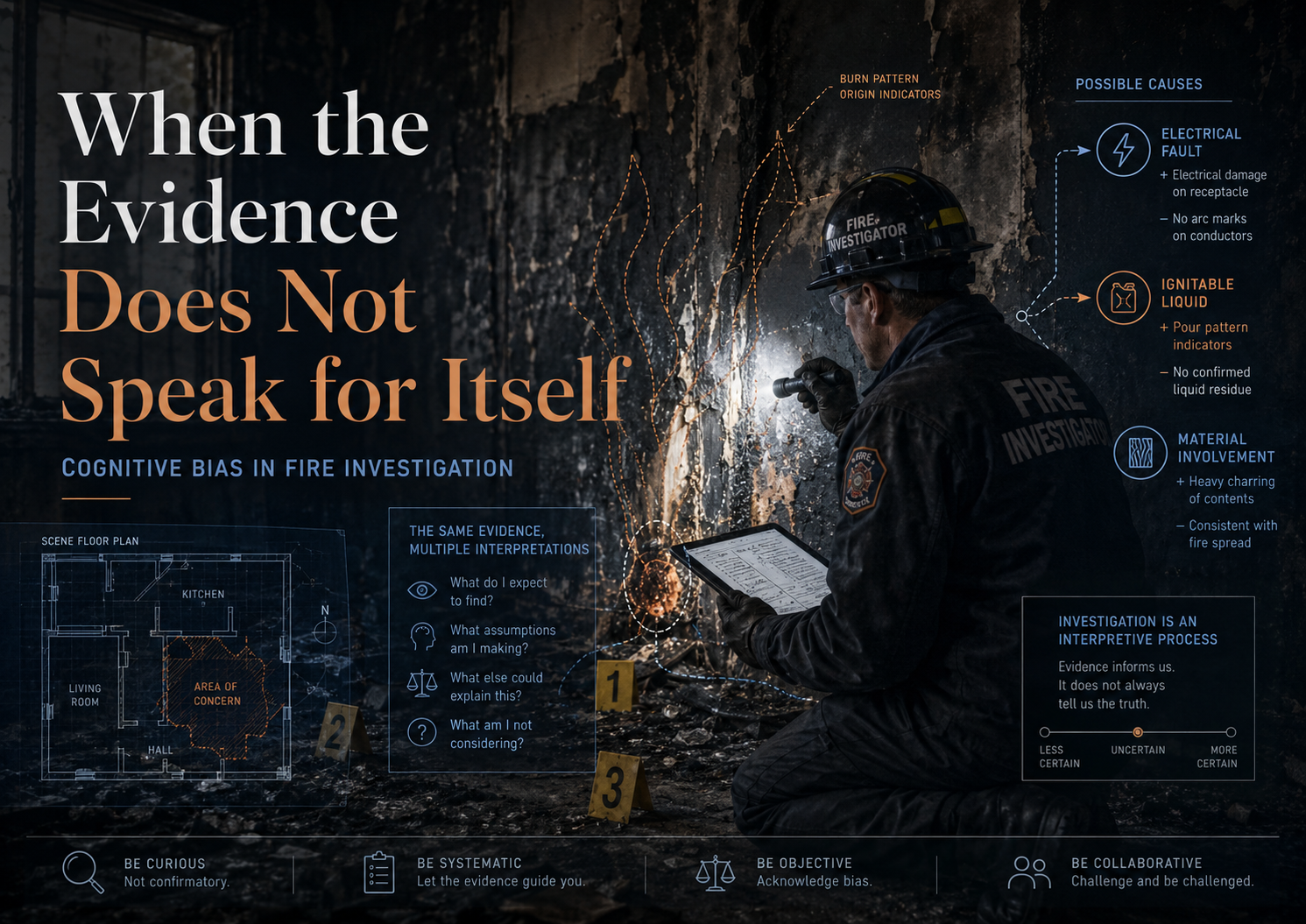
New article examines cognitive bias in fire investigation

The second article in Chresten Heide-Anderson’s Beyond Fast and Easy Answers series examines how expectations and early hypotheses may shape the interpretation of fire evidence. A fire leaves behind a scene, not an explanation. Investigators may have witness accounts, recordings and information from the emergency response, but they cannot observe the complete event again. They

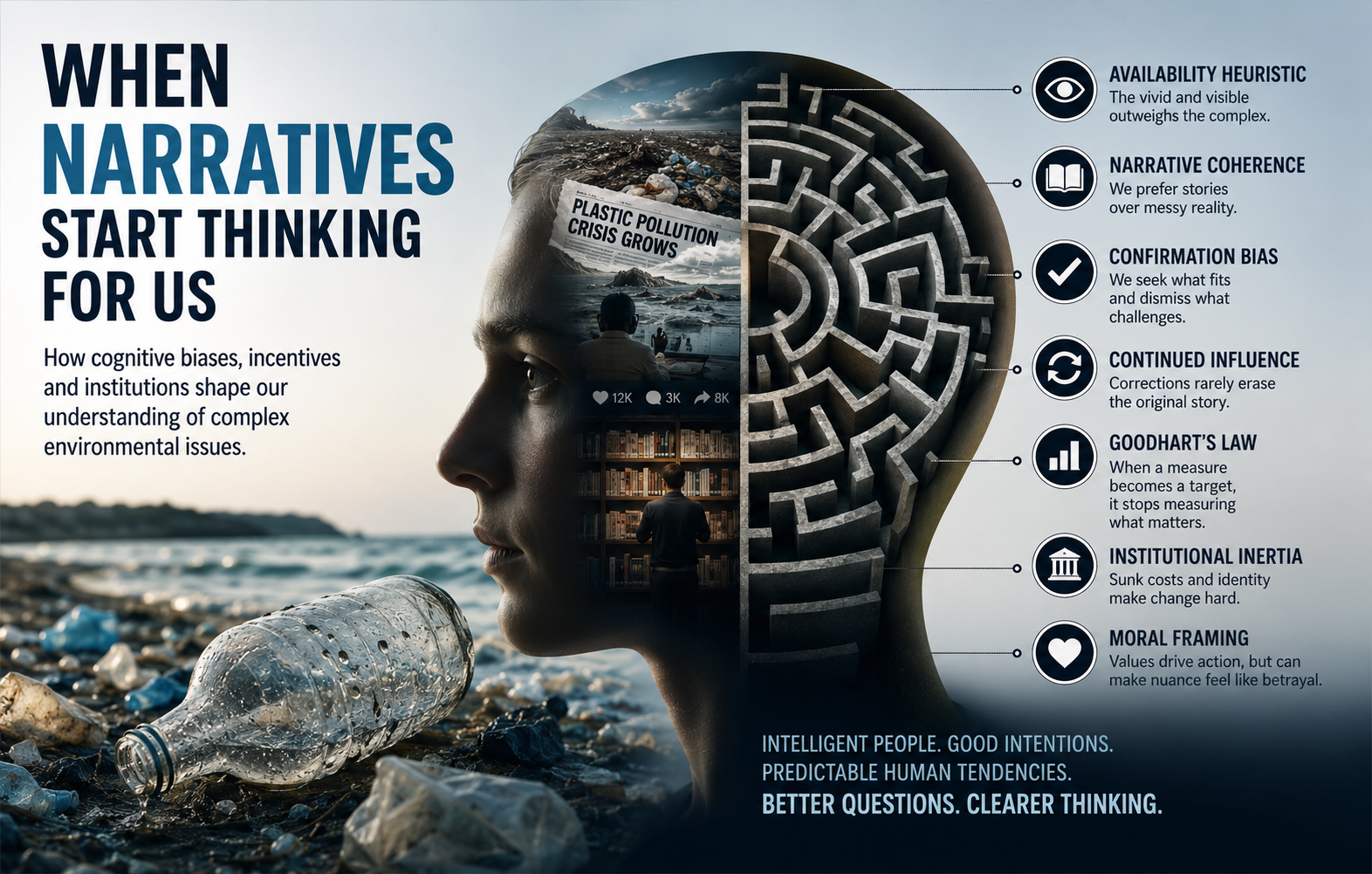
New Beyond Fast and Easy Answers: When Narratives Start Thinking for Us

How do scientific findings become public narratives? And why can those narratives become surprisingly difficult to change, even when new evidence emerges? These are the questions explored in the latest edition of Beyond Fast and Easy Answers, written by NEPSA Director Chresten Heide-Anderson. The article builds on the previous newsletter, which examined a bottle-tracking study

When Definitions Shape Outcomes in Packaging Policy

Recent discussions on the proposed Packaging and Packaging Waste Regulation (PPWR) have highlighted both increased clarity and emerging concerns—particularly around definitions and exemptions. A recent article by NEPSA Director Chresten Heide-Anderson uses this debate as a starting point to explore a broader question: How do definitions and measurement frameworks influence environmental outcomes? The article reflects

NEPSA joins the Circular Plastics Alliance (CPA)

The Nordic EPS Alliance (NEPSA) has been accepted as a member of the Circular Plastics Alliance (CPA), the European Commission-led initiative aimed at increasing the uptake of recycled plastics and strengthening circular value chains across Europe. The CPA, facilitated by the European Commission, brings together industry, public authorities and civil society to accelerate the transition

Dissolution-based recycling adds a potential pathway for polystyrene circularity

The range of available recycling pathways is a central factor in determining how effectively materials can be integrated into a circular economy. Recent developments in dissolution-based recycling technologies for polystyrene (PS) suggest that additional options may be emerging—particularly for waste streams that have traditionally been difficult to recycle. One example is the commercial-scale launch of

Legal Scrutiny Intensifies Around U.S. Plastics Pact Activities

A coalition of five U.S. state Attorneys General — from Florida, Idaho, Iowa, Mississippi, and South Carolina — has formally raised antitrust and consumer protection concerns regarding the U.S. Plastics Pact, a voluntary initiative aimed at advancing circular economy principles for plastic packaging in the United States. In a letter dated 29 October 2025, the