Category: Insights

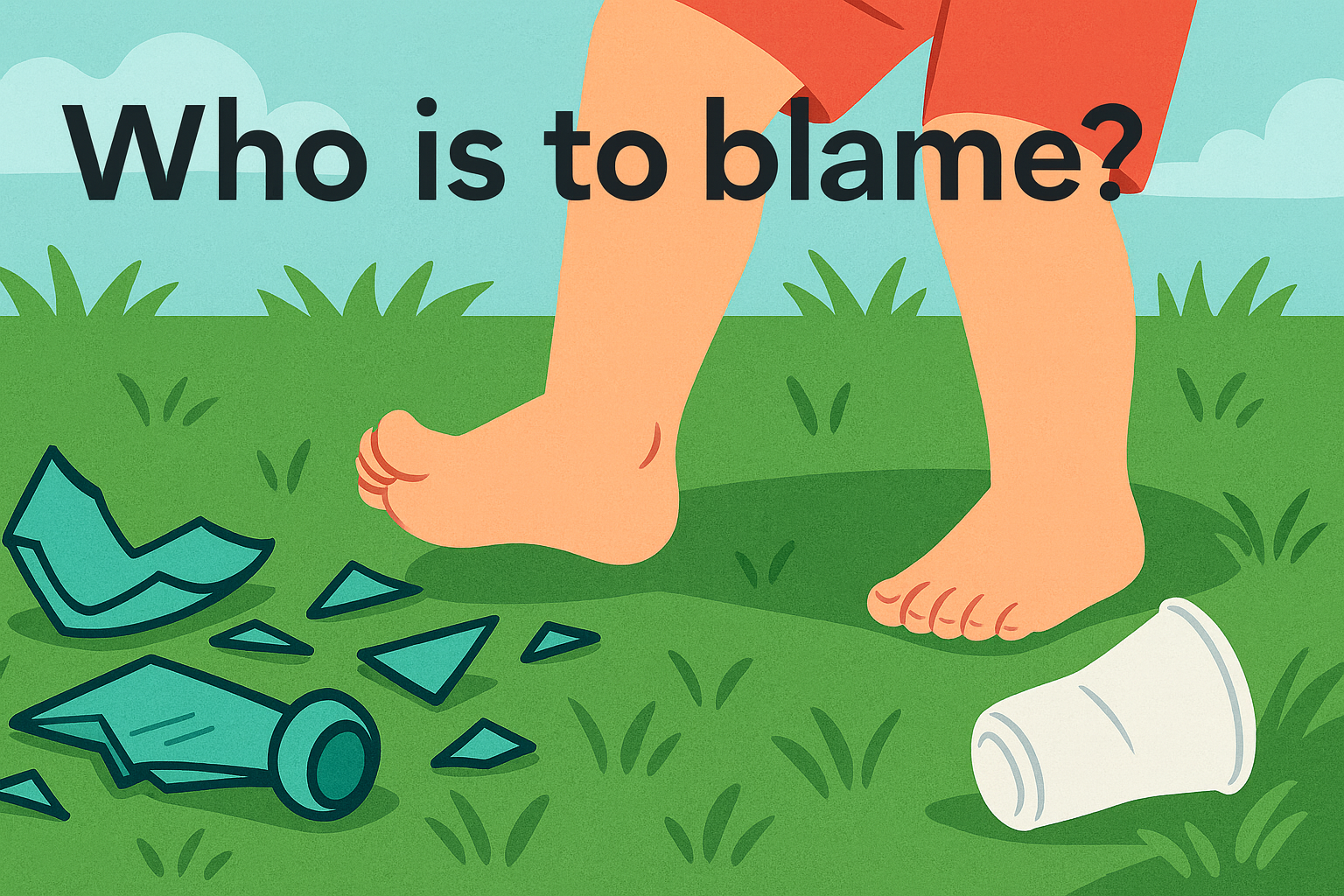
Broken Glass, Broken Logic

As the INC-5.2 plastics treaty talks unfold in Geneva, a striking inconsistency emerges in public reasoning: we assign very different responsibility depending on the material, even when the real-world harm is similar. We trace this shift to our fast emotional thinking (System 1)—which is drawn to dramatic material effects and narrative villains. But such inconsistent

When Sustainable Looks Wrong — But Isn’t

How perception, framing, and bias are reshaping packaging decisions Why are high-performing packaging solutions like EPS being deselected—despite strong life cycle data and proven environmental performance? A new article by NEPSA Director Chresten Heide-Anderson explores this question through the lens of cognitive bias and perception. The article, part of the Beyond Fast and Easy Answers

Why Retractions Don’t Always Retract Belief

When scientific errors are discovered, formal retractions are issued. But what happens when the beliefs created by the original story continue to shape public perception? In a new article titled “Why Retractions Rarely Retract Belief”, NEPSA Director Chresten Heide-Anderson explores how psychological biases help explain why misinformation often lingers—long after it has been corrected. Using

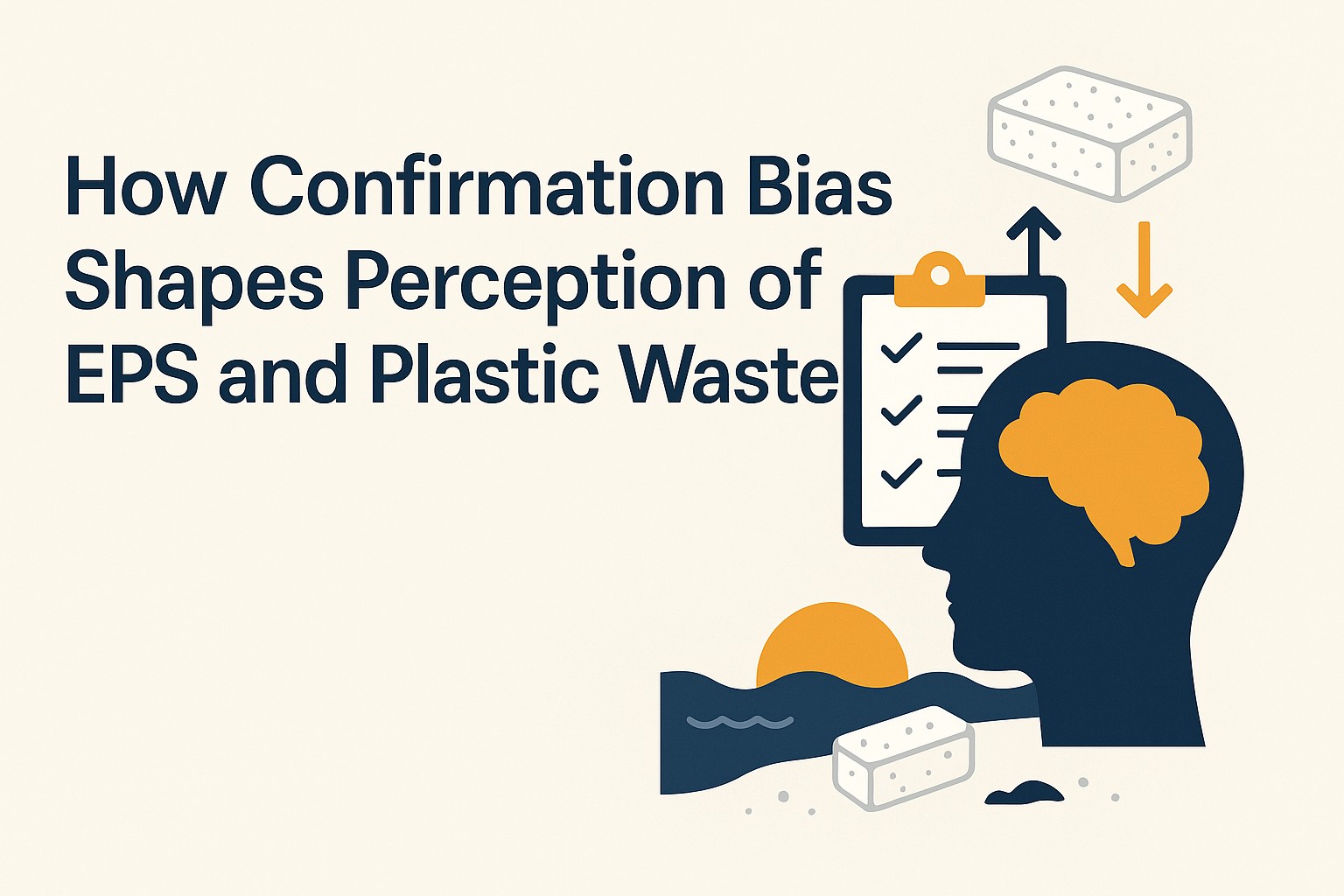
When Perception Outpaces Proof — A Reflection on Confirmation Bias and Plastic Waste

Public discourse around plastic waste is often driven more by perception than by fact. In a recent LinkedIn Insight, NEPSA Director Chresten Heide-Anderson explores how confirmation bias — the human tendency to seek out and remember information that aligns with our preconceptions — shapes environmental narratives and policy debates. The article dissects a case in

Beyond Fast & Easy Answers – Our Director’s LinkedIn Newsletter

In a world filled with quick opinions, critical thinking is vital. Chresten Heide-Anderson, Project Manager of EPS-branchen and Director of NEPSA, invites you to check out his LinkedIn newsletter, *Beyond Fast & Easy Answers*. This series examines how cognitive biases affect public policy, especially in environmental debates. With over 500 subscribers, the newsletter promotes evidence-based discussions and challenges quick reactions. Learn how narratives can overshadow facts and explore smarter regulatory approaches. Join the conversation and reflect on your biases—subscribe today!

Reassessing EPS: Data, Design, and the Real State of Recycling

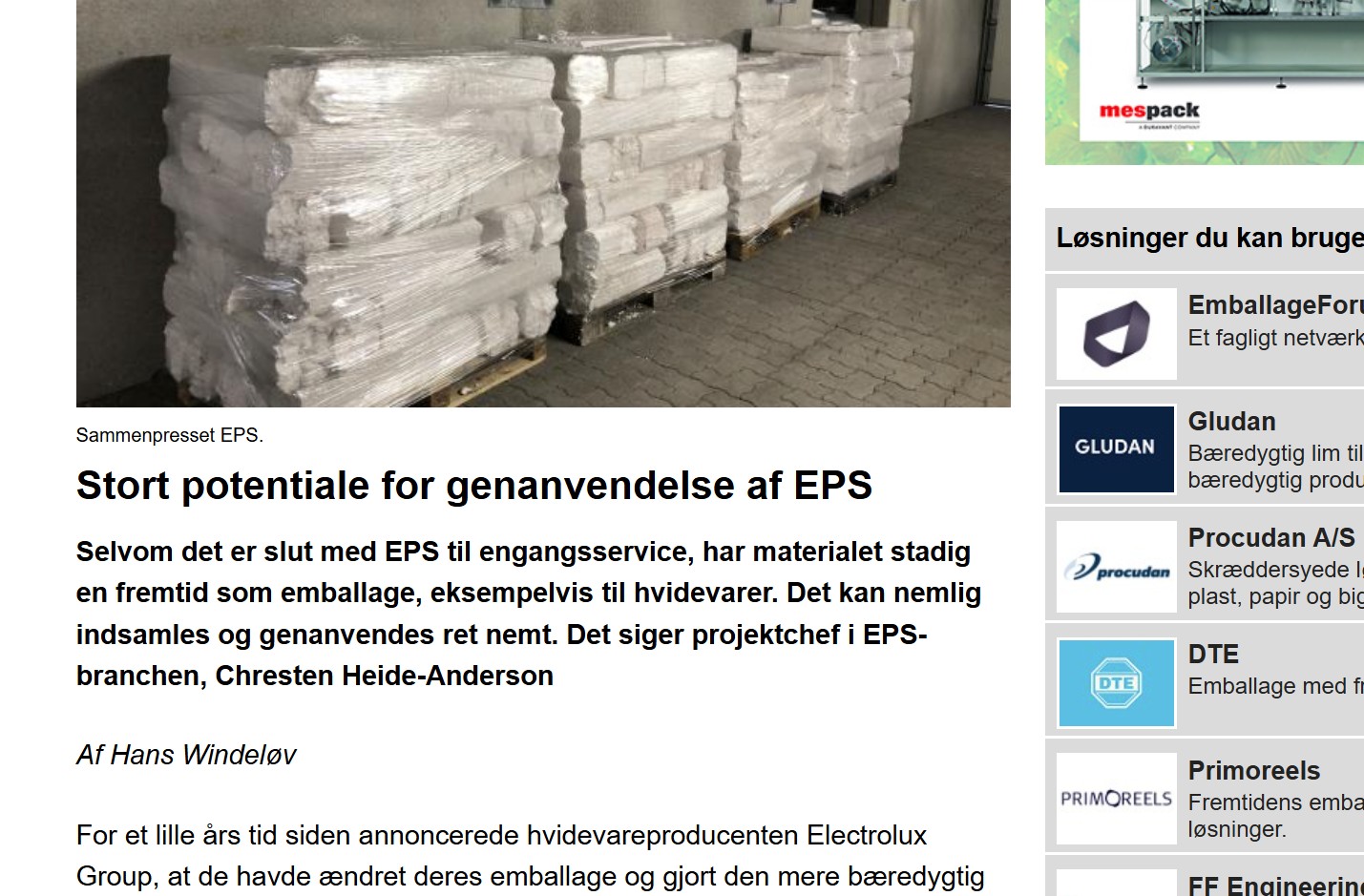
Expanded polystyrene (EPS) remains a subject of debate in packaging and environmental policy. But beneath the headlines, a more nuanced picture emerges—one built on long-term infrastructure, verified recyclability, and measured environmental data. In an extended interview with PackMarkedføring, Chresten Heide-Andersen of EPS-branchen outlined where public perception diverges from documented practice, and why overlooking EPS may