
When scientific errors are discovered, formal retractions are issued. But what happens when the beliefs created by the original story continue to shape public perception?
In a new article titled “Why Retractions Rarely Retract Belief”, NEPSA Director Chresten Heide-Anderson explores how psychological biases help explain why misinformation often lingers—long after it has been corrected.
Using the example of a retracted 2020 article from Science of the Total Environment, the reflection shows how belief perseverance, familiarity bias, and negativity bias shape not just public opinion, but also policy debates and media framing. As Chresten writes:
“The retraction is never remembered as well as the original story.”
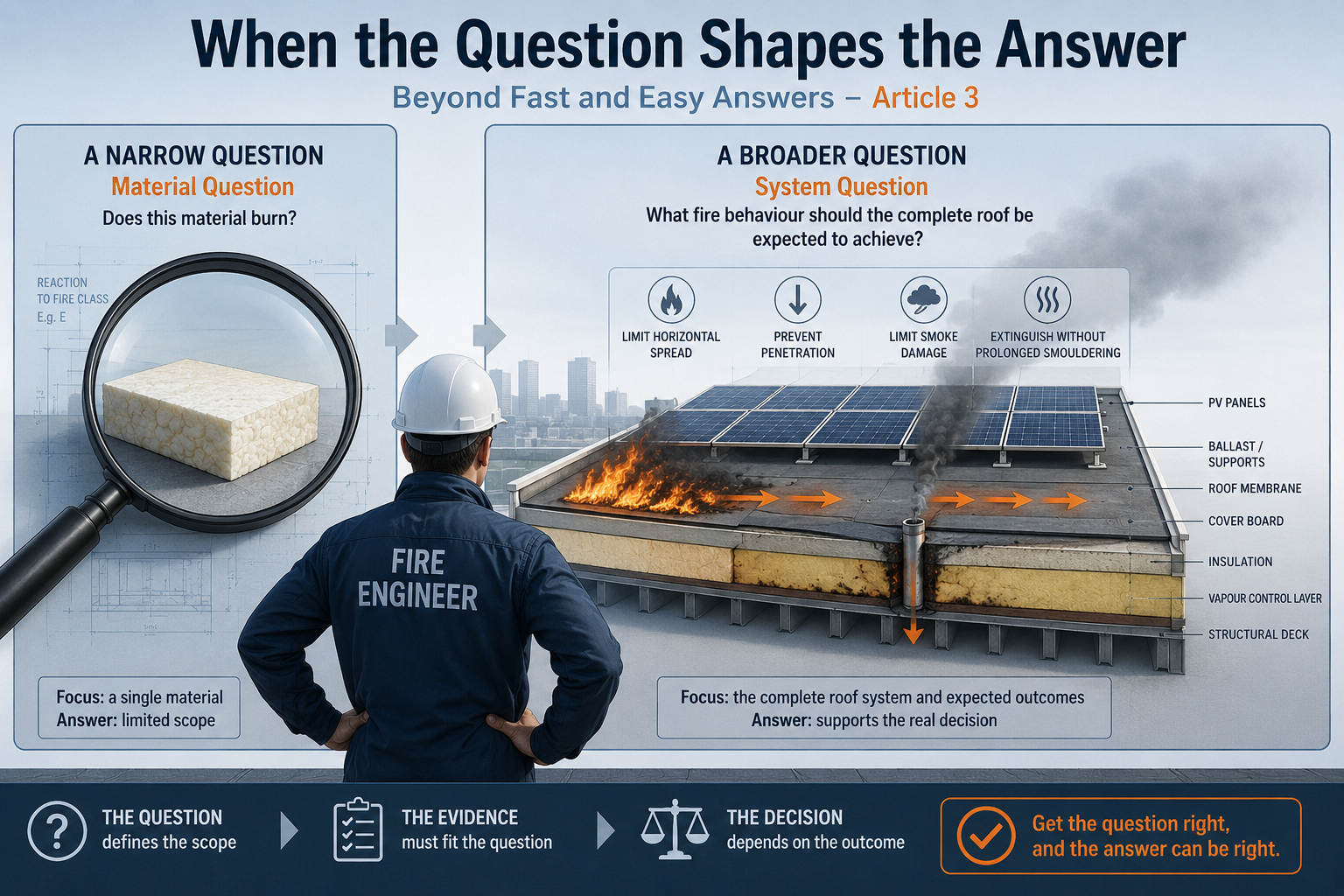
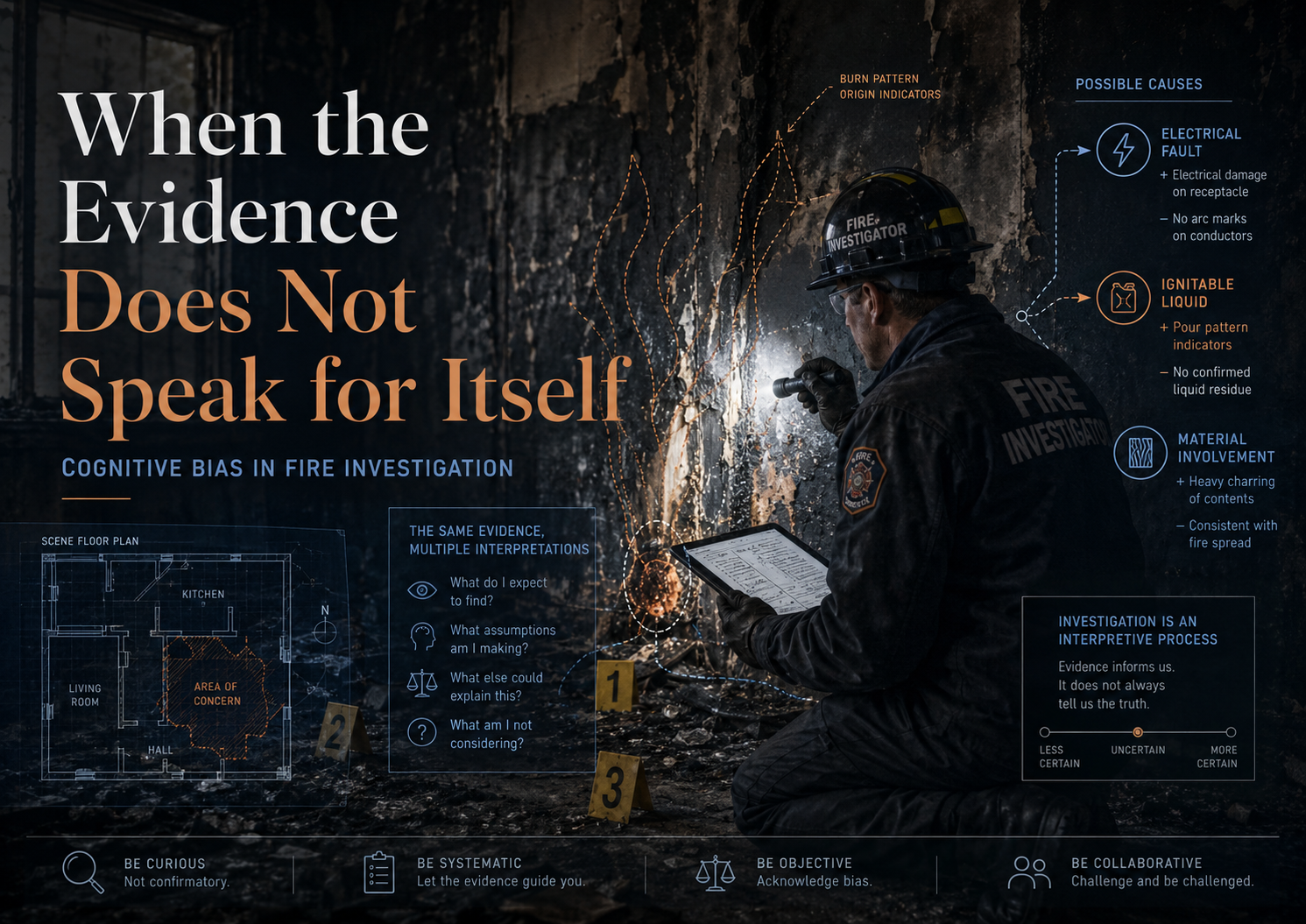
This piece is part of the ongoing series Beyond Fast & Easy Answers, which examines how cognitive bias complicates public reasoning—particularly in sustainability and plastics policy.
🔗 Read the full article on LinkedIn:
Why Retractions Rarely Retract Belief: Biases at Work When Science Goes Wrong