As the INC-5.2 plastics treaty talks unfold in Geneva, a striking inconsistency emerges in public reasoning: we assign very different responsibility depending on the material, even when the real-world harm is similar.
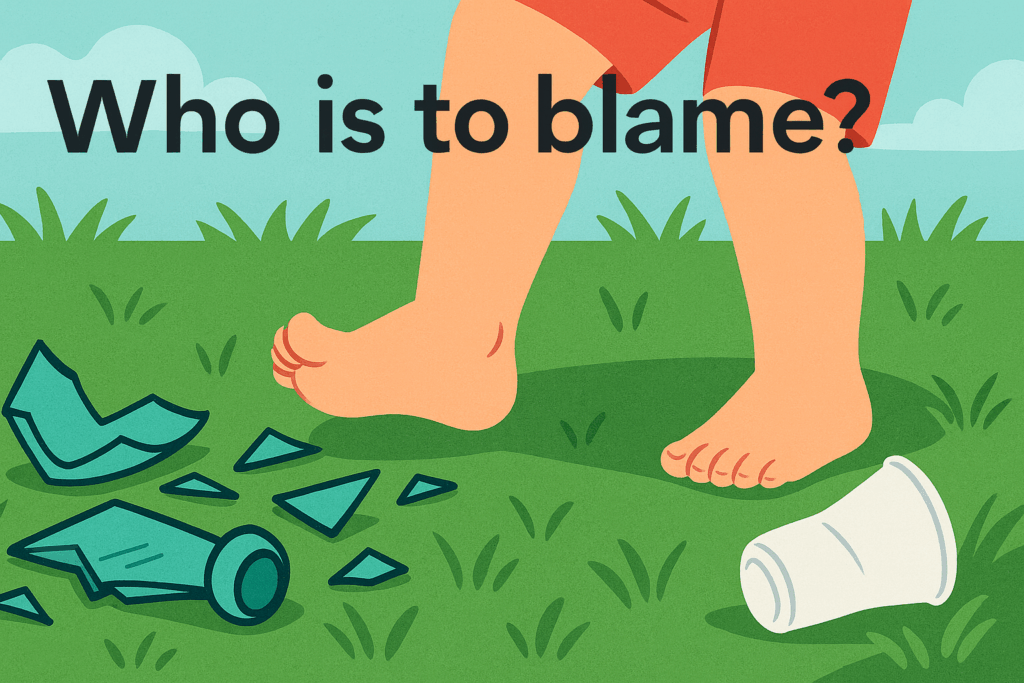
- Scenario 1: A broken glass bottle cuts a child’s foot in the park—common responses? We blame the person who littered or a system failure—but not the producer.
- Scenario 2: A plastic bottle pollutes the ocean—suddenly, public campaigns target global brands, placing the blame squarely on manufacturers.
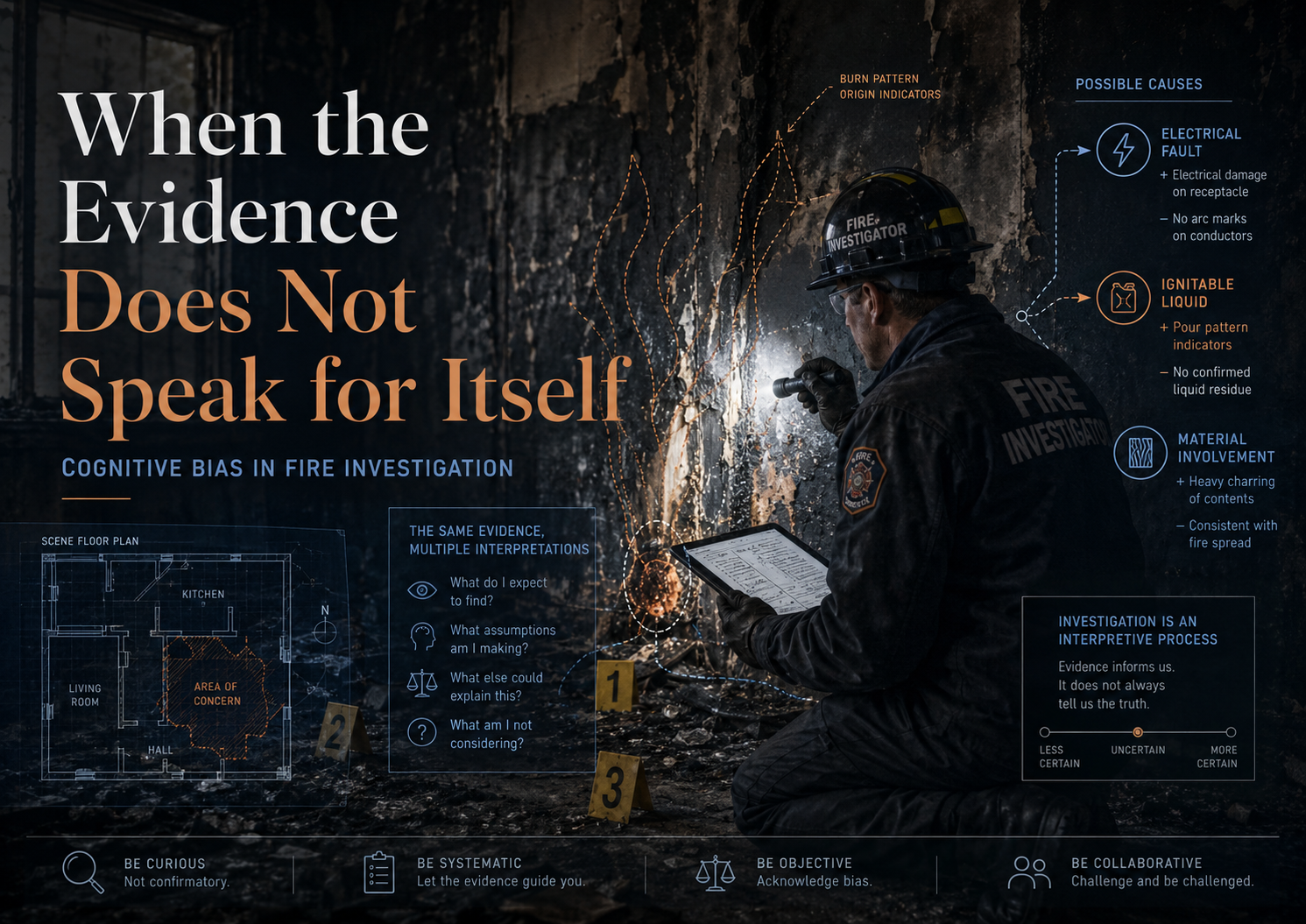
We trace this shift to our fast emotional thinking (System 1)—which is drawn to dramatic material effects and narrative villains.
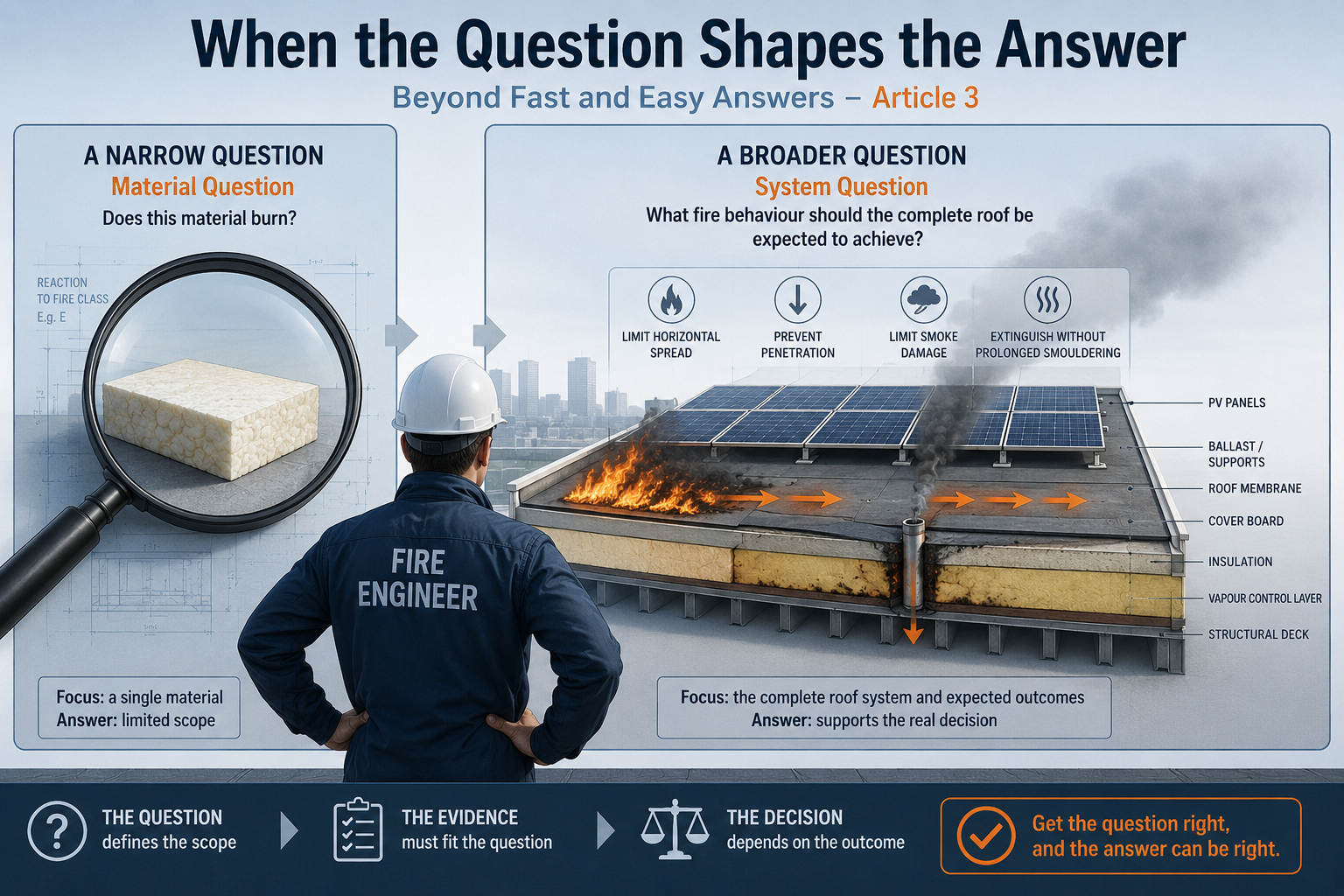
But such inconsistent logic risks leaving us with policies driven by how stories are framed, rather than what actually works to reduce environmental impact. Whether choosing materials for packaging, insulation, or logistics, the goal must be to apply the best-fit solution for each task, rather than defaulting to headline-driven narratives.