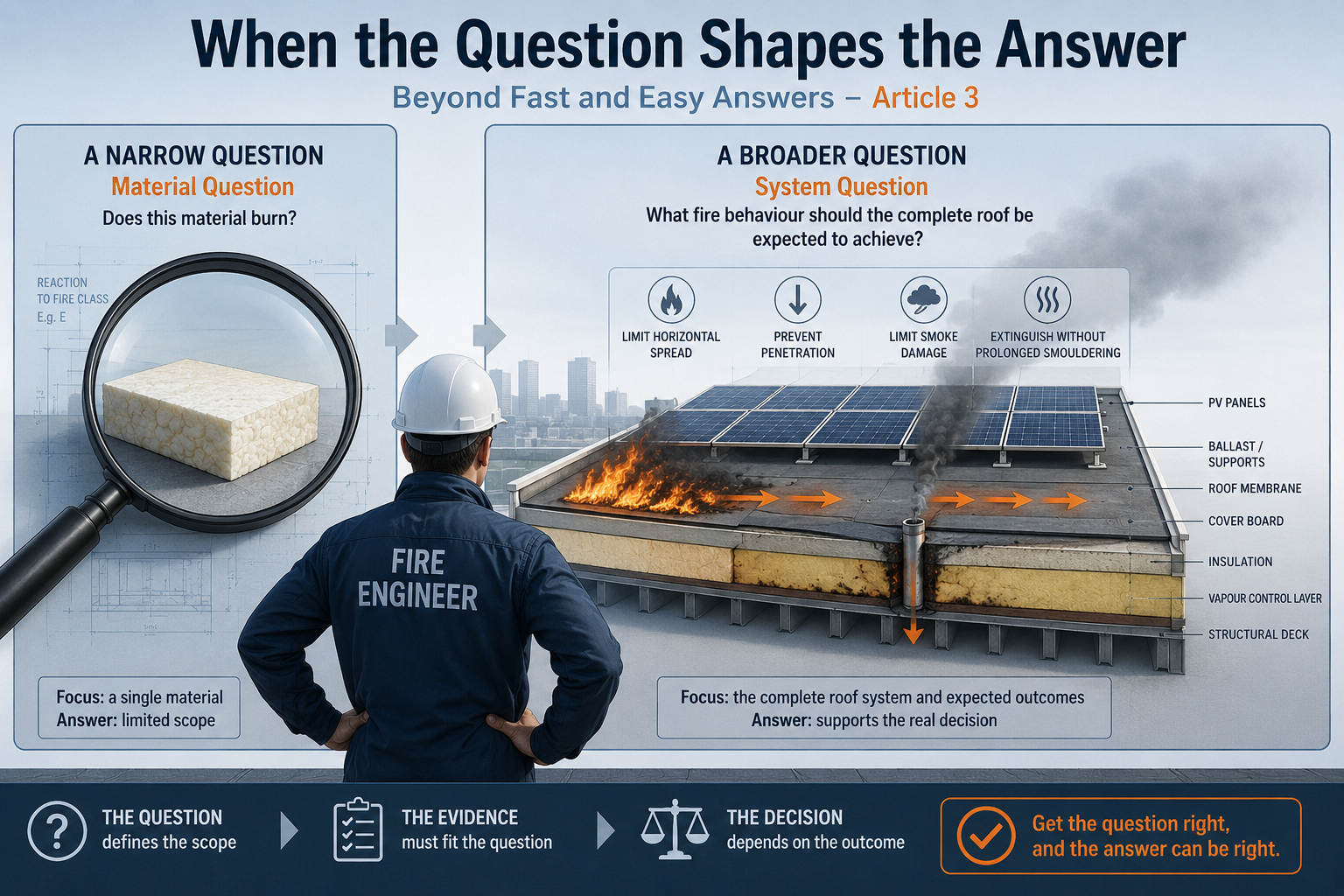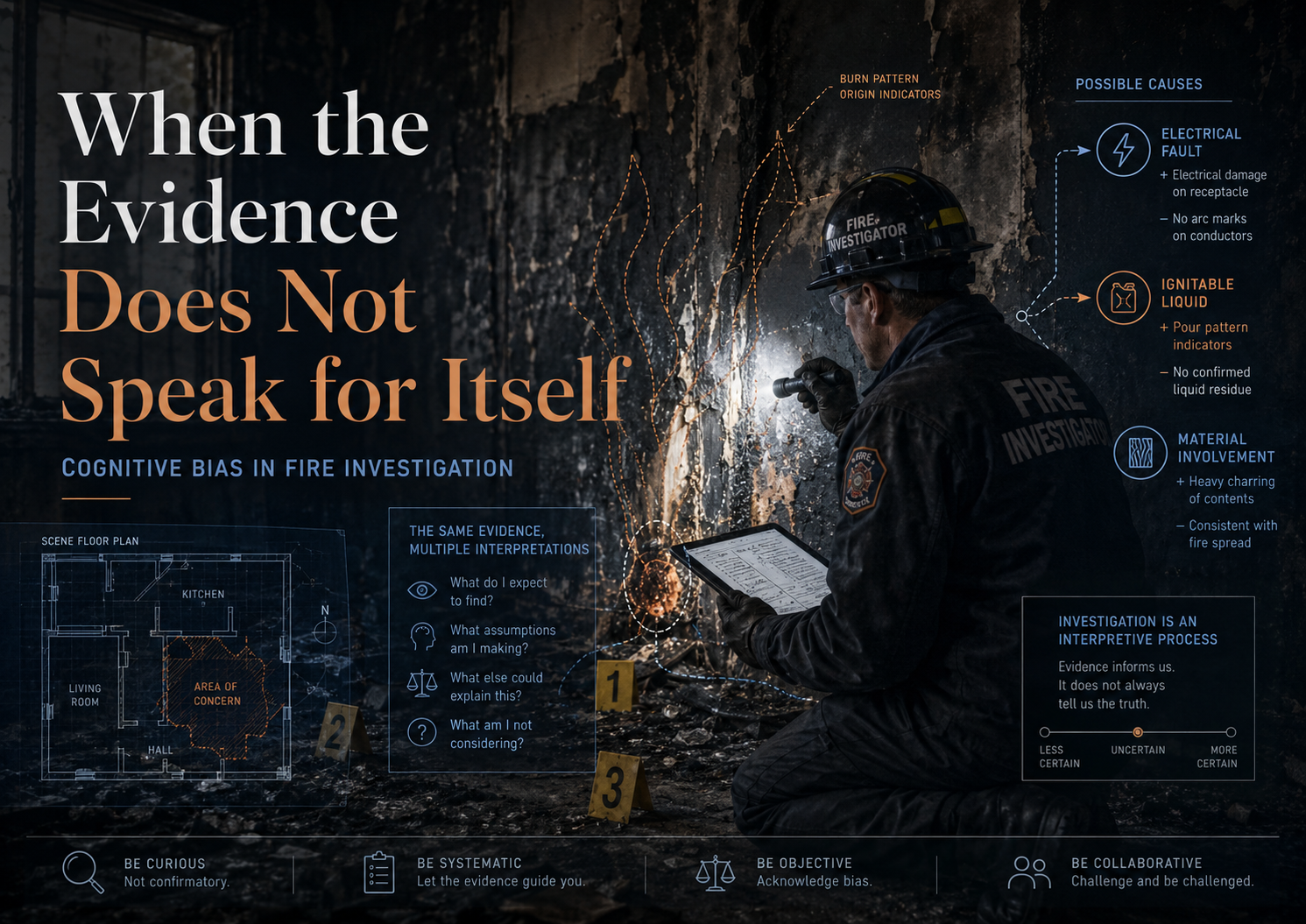

In a time when public discourse is dominated by quick opinions, viral narratives, and oversimplified debates, critical thinking has never been more important. That’s why Chresten Heide-Anderson, Project Manager of EPS-branchen and Director of NEPSA, has launched the LinkedIn newsletter Beyond Fast & Easy Answers.
The newsletter explores how cognitive biases and logical fallacies shape public policy—particularly in the realm of environmental and sustainability debates. With over 500 subscribers already engaged, the series offers fact-based insights that go beyond knee-jerk reactions to complex issues.
Why This Matters for Environmental Policy
Public perception of environmental challenges is often influenced by what is most visible rather than what has the greatest impact. For instance, floating plastic waste is easily photographed and shared, creating the impression that it is the most urgent waste problem—even when data tells a different story. The first articles in the series explore key cognitive biases like the Availability Heuristic, Confirmation Bias, and the Nirvana Fallacy, which distort public debate and, in some cases, lead to misguided policy decisions.
EPS has frequently been used as a case study to illustrate these biases. Its presence in beach litter makes it a high-profile target, even though its actual environmental impact is far more nuanced. EPS transport packaging is recognized as “recycled at scale and in practice” by the UN, and in Denmark, more than 60% of municipalities now provide EPS collection for recycling. Yet, due to biases in how people interpret environmental data, these facts are often overlooked.
A Broader Perspective on Public Discourse
The newsletter does not focus solely on EPS but instead examines broader patterns in public policy debates. From material regulations to climate change policies, the series sheds light on how biases shape decision-making and offers strategies for moving toward more evidence-based discussions.
One key theme in the series is how narratives often overshadow facts. In environmental debates, the Halo Effect leads people to assume that materials perceived as “green” are always better—even when life cycle assessments show otherwise. The False Dichotomy presents issues in “either-or” terms, making it seem as if policymakers must either ban plastics entirely or do nothing at all—when in reality, smarter regulatory approaches exist.
Join the Discussion
Chresten Heide-Anderson’s approach is not about preaching or offering easy conclusions. Instead, Beyond Fast & Easy Answers invites discussion, encouraging readers to reflect on their own biases and assumptions.
With more than 500 subscribers and growing, this newsletter has already sparked important conversations across policy, industry, and sustainability circles.
If you are interested in how data-driven decision-making can lead to better policies and a more nuanced environmental debate, follow Chresten Heide-Anderson’s newsletter on LinkedIn:
Read the latest article here.